

EDC support
As the population ages, the prevalence of dementia is rising, placing increasing strain on healthcare systems. The “Sociale Benadering Dementie” (SBD) program was initiated in the Netherlands as a paradigm shift aimed at improving the quality of life for individuals with dementia by focusing on their social environment, addressing their personal needs, and helping them stay connected to the community. Researchers, Professor Isabelle Fabbricotti and Dr. Mathilde Strating, wished to improve the robustness and power of existing SBD effectiveness analyses, as there is a shift from disease-focused models to person-centred ones.
EDC was asked to provide the necessary analytical framework as well as expert consulting to evaluate the program’s effectiveness and how improved analyses would support the program’s goals. To evaluate the program’s cost-efficiency and find out who benefits from it the most, an EDC data scientist conducted a study using a highly secure research environment provided by Statistics Netherlands (CBS).
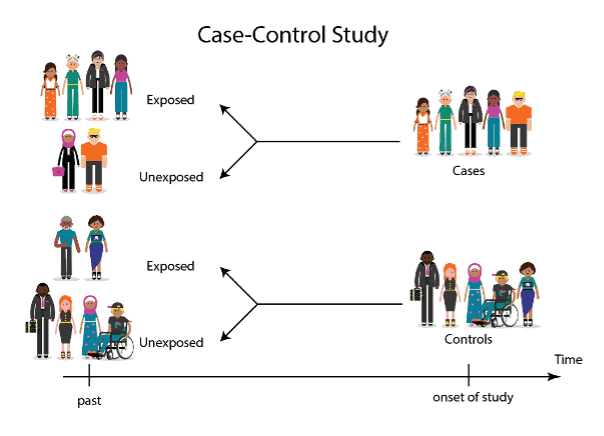
Using statistical software (IBM SPSS), they set up a “case-control” study. This means they took data from individuals participating in the dementia program (the “cases”) and compared each one of them to a group of multiple similar individuals who were not in the program (the “controls”). Instead of looking for an identical twin match, the system matched people based on similar backgrounds and traits. By comparing each program participant against several similar people, the findings became much more accurate and reliable, confirming the strength of the project’s initial results.
The matching technique was combined with a detailed statistical analysis implemented in Python to identify how age, gender, living situation, diagnosis, hospital admissions, and case/control status influence the usage of formal care types and the associated costs. To run these analyses, EDC’s data lab team created a custom Python pipeline, which automates the analysis and allows for extensive outputs.
Impact
The outcomes following these statistical analyses include actionable insights into the effectiveness of dementia interventions, offering a robust framework for evidence-based policy and clinical decision-making. The extensive methodology and the reusable Python pipeline developed by EDC serve as a powerful template for future research. This framework can be readily adapted to evaluate other complex healthcare interventions, particularly those involving case-control designs within sensitive and restricted data environments like CBS microdata.
On a societal level, the findings from this research directly inform policymakers and healthcare providers about the effectiveness and cost-efficiency of a more social, person-centered approach to dementia care, potentially guiding future investments and improving the lives of thousands.
Testimonial
Researcher Mathilde Strating: ESHPM““Working together with the Erasmus Data Collaboratory team on this project was a very pleasant experience. They were instrumental in restructuring and enriching the data and the subsequent transformation to SPSS. Also, discussing and reflecting upon the quality of the data, going back and forth between theoretical research questions and statistical methodology was an interesting journey. In the end, it helped us to investigate our research questions in a scientifically sound manner based upon robust analyses”