
Let’s step away from AI and digitalization for a moment and ask a different question: what happens when everything goes offline?
Because when our daily technologies and modern networks fail us in a blackout or crisis, what do you do? Have you ever really thought about that? You probably should.
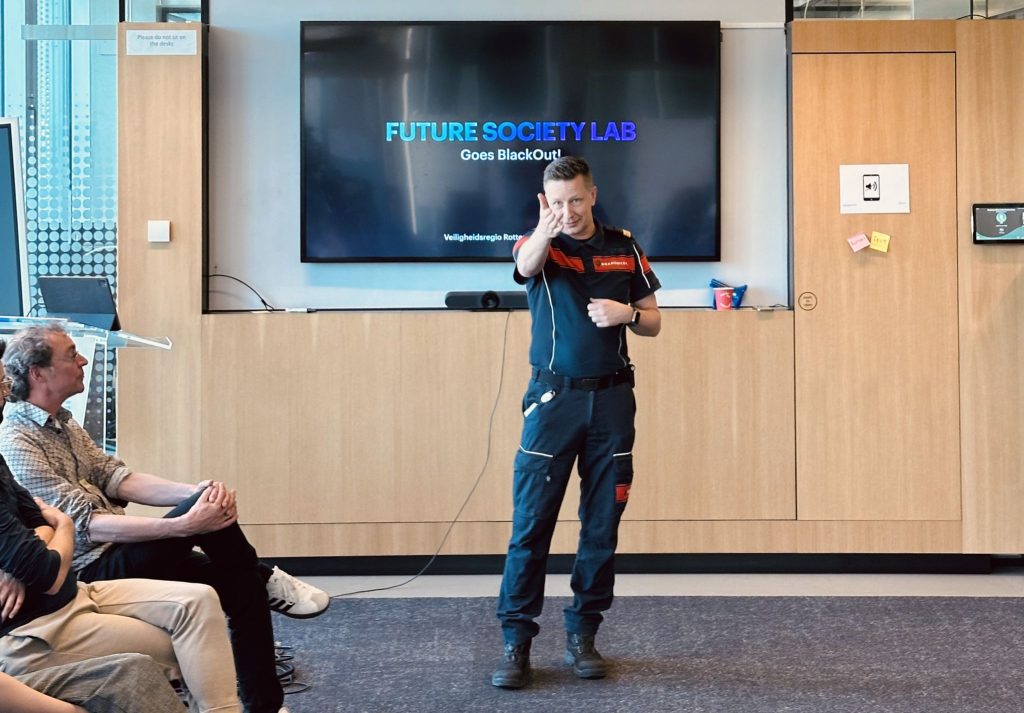
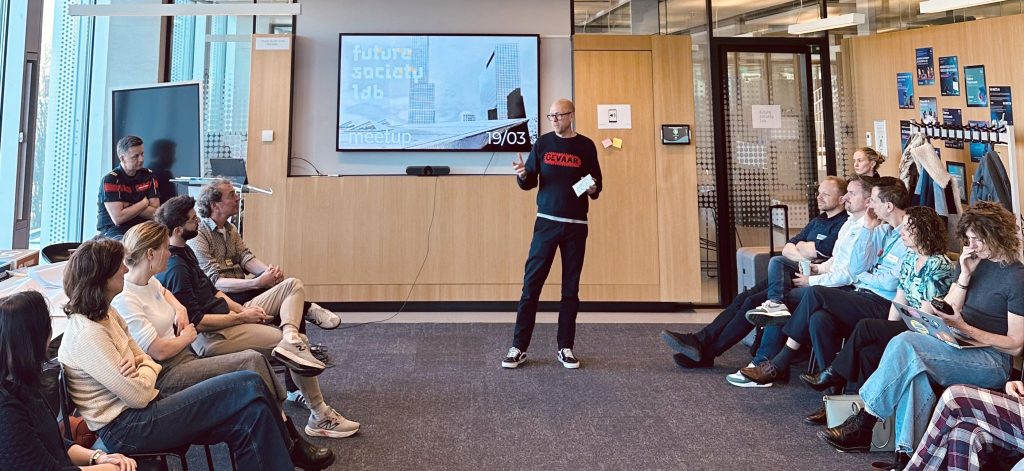
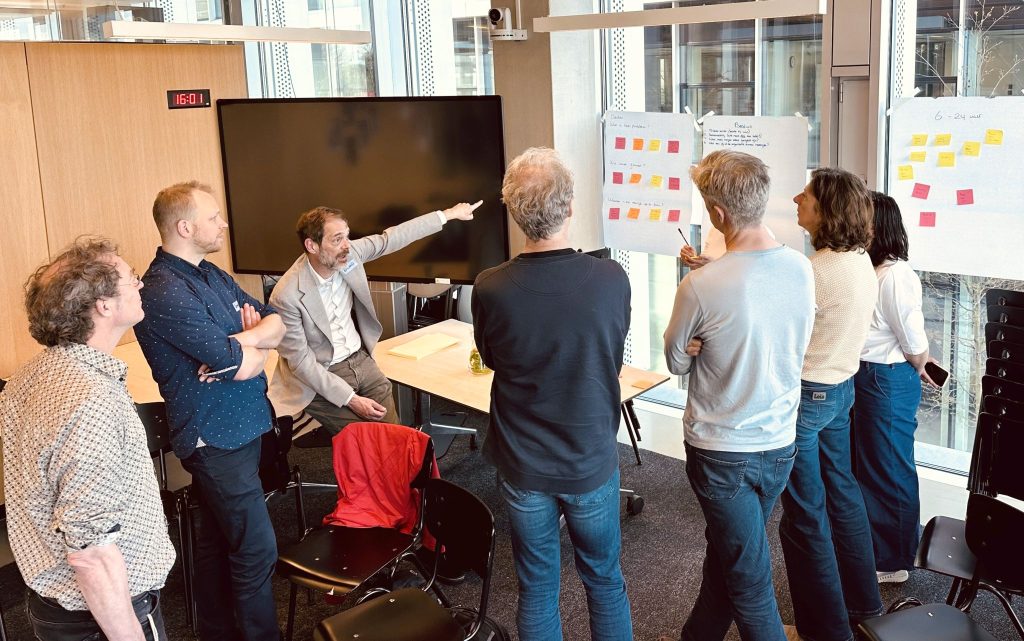
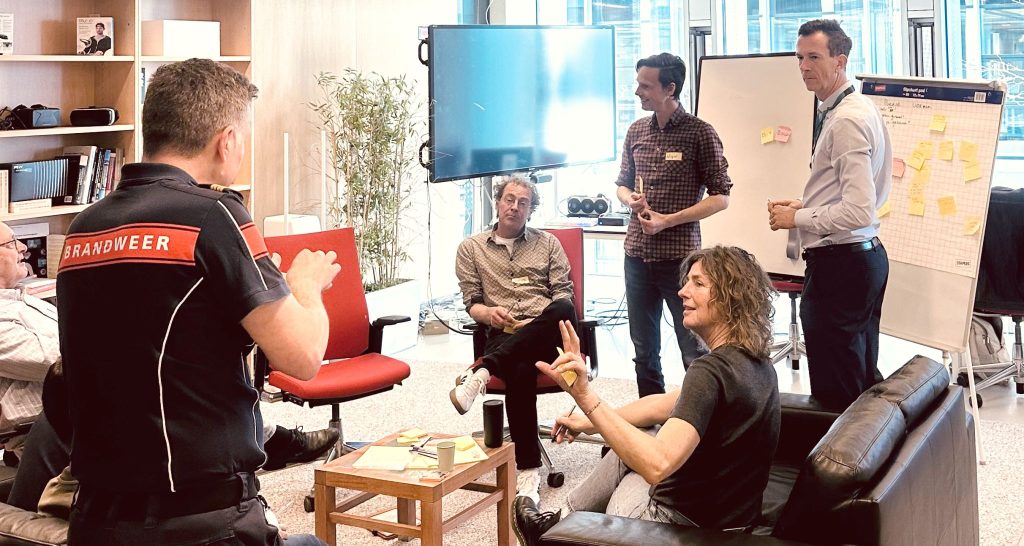
Last Thursday, we hosted a Future Society Lab meetup on resilience at the Erasmus Data Collaboratory. During a simulation at Erasmus University Rotterdam, all systems went down at 6 p.m., pushing us out of our digital bubble and forcing us to experience what a crisis feels like without power, internet, or trusted communication channels.
Working in crisis teams, guided by Maurice de Beer, we focused on the first 72 hours of a blackout. During that period, emergency services are mainly concerned with protecting vital infrastructure, which means you need to organize yourself.
What should you take away from this?
- When digital systems and modern networks fail, personal and social networks become our safety net. In moments of extreme stress, we rely on people nearby whom we trust and on the strength of local communities. There is no time to build new networks in the middle of a crisis, so make sure you know your neighbors now and invest in your local circle.
- We often, and rightly, talk about the importance of critical occupations. But in a blackout, with limited information, resources, and visibility, a wide range of skills becomes crucial. Think of leadership and organizational skills to maintain oversight, divide responsibilities, and mobilize existing networks; social and psychological skills to reassure others and keep morale up; and practical, hands-on skills to create clever solutions.
Thank you, Harmen van Sprang, for organizing this great session and bringing this community together. And thank you, Maurice, for creating an inspiring atmosphere and for helping us arrive at these valuable realisations about resilience.