
How can AI support the human, emotional and cultural dimensions of architecture, without reducing them to numbers?
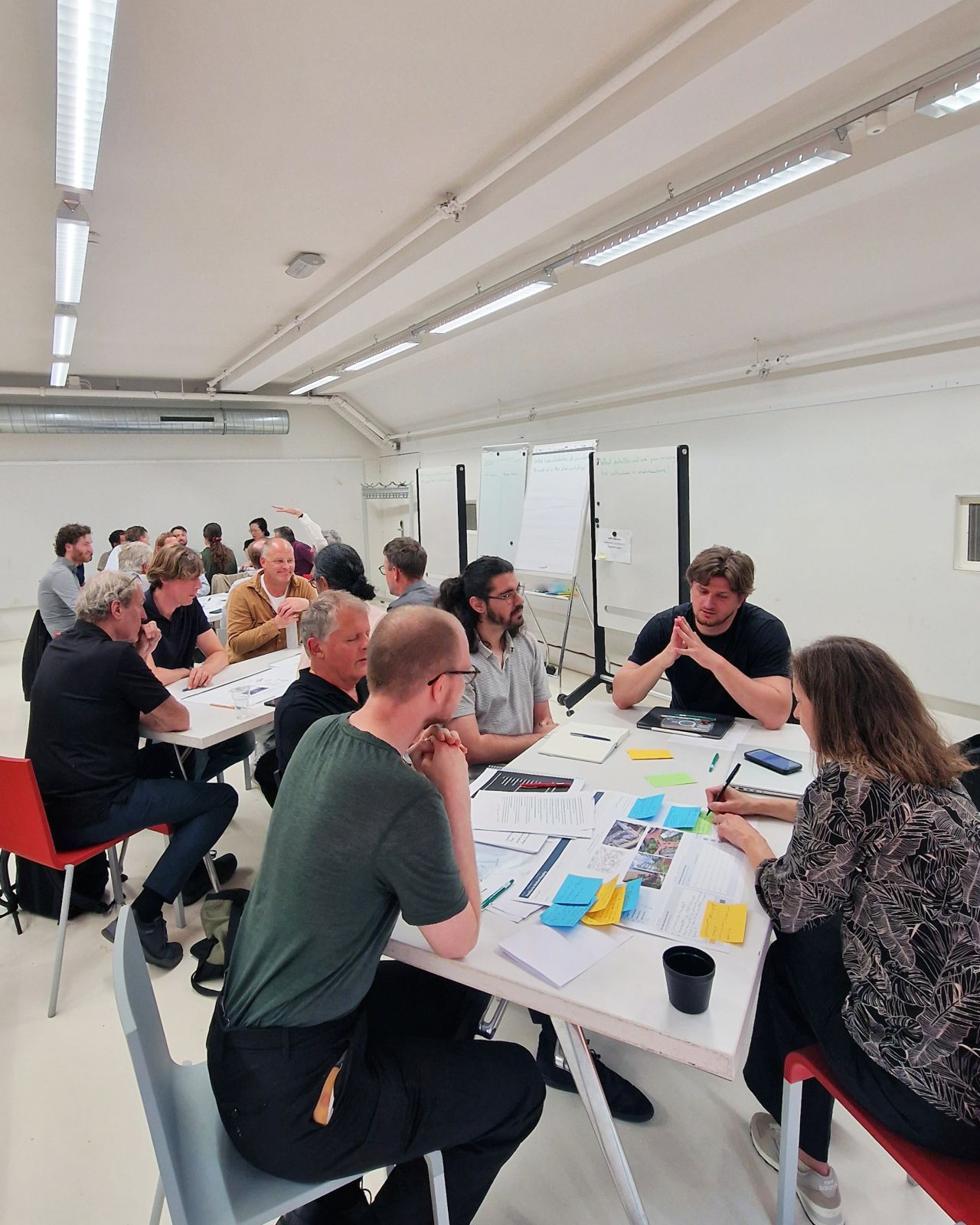
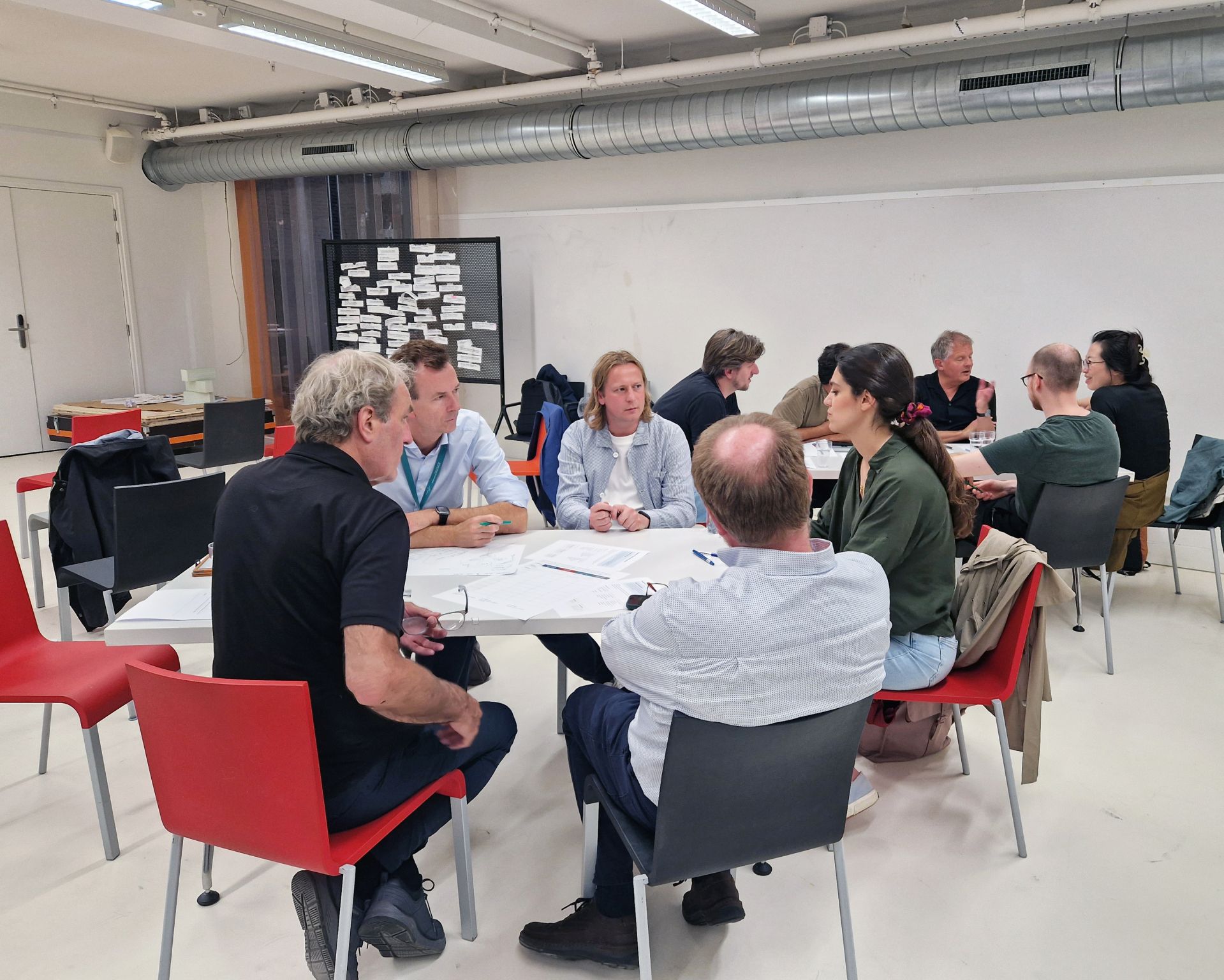
This was the central question behind the first PLAIA Workshop: Mapping the Territory, held at TU Delft.
PLAIA (Platform for AI and the Soft Values of Architecture) brings together researchers, architects, AI experts and cognitive science specialists to explore how computational tools can support human-centered design. To achieve this the initiative focuses on qualities that shape how people actually experience spaces, like comfort, belonging, identity, atmosphere, social connection, dignity and well-being.
During the first workshop, participants worked across disciplines to map current design practices, identify knowledge gaps, and AI methods against recently completed architectural projects where soft values played an important role. The cases ranged from educational buildings and urban masterplans to housing communities and care environments.
A few key reflections stood out:
- AI can help expand and analyse the design space through simulations, generative options, behavioural sensing and scenario testing.
- But when it comes to meaning, beauty, emotion and lived experience, most participants noted the architect’s role remains essential: as curator, interpreter and ethical decision-maker.
- Several participants also highlighted the value of methods such as post-occupancy evaluation, VR/XR testing and wayfinding (building navigation) simulation to better understand how spaces are experienced before, during and after design.
- Most importantly, the discussions showed that soft values are not secondary. They are central to designing environments that people can connect with, navigate, trust and enjoy.
Workshop 1 sets the foundation for the next phase of PLAIA: outlining examples of concrete AI workflows to support soft (human-centered) values in architecture.
We are looking forward to continuing this important conversation during the next workshops.
PLAIA is an initiative supported by CLICKNL.