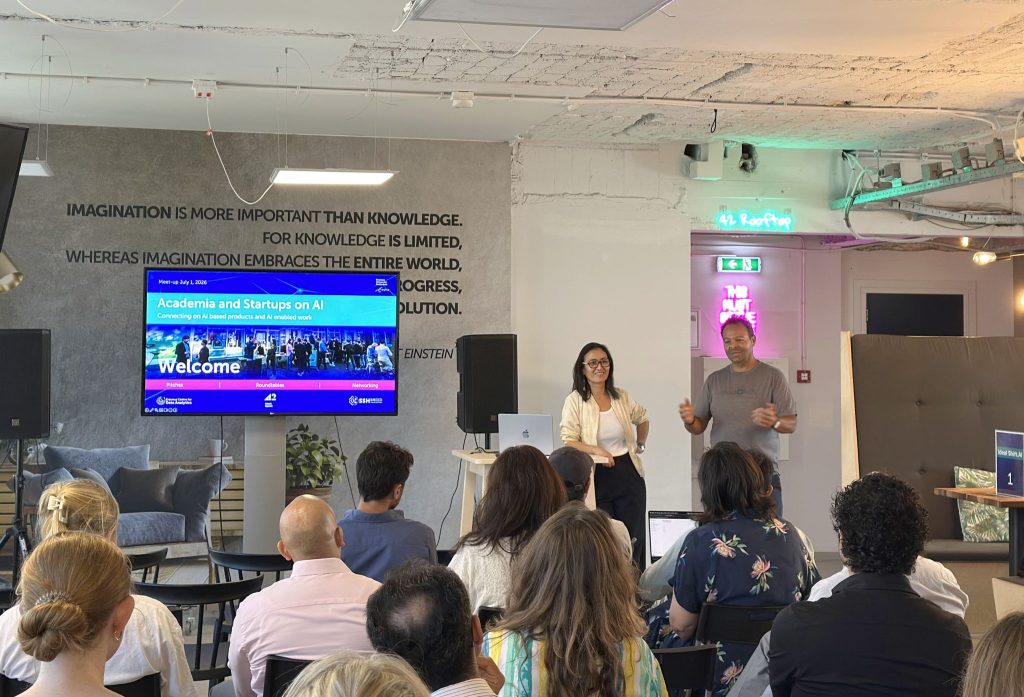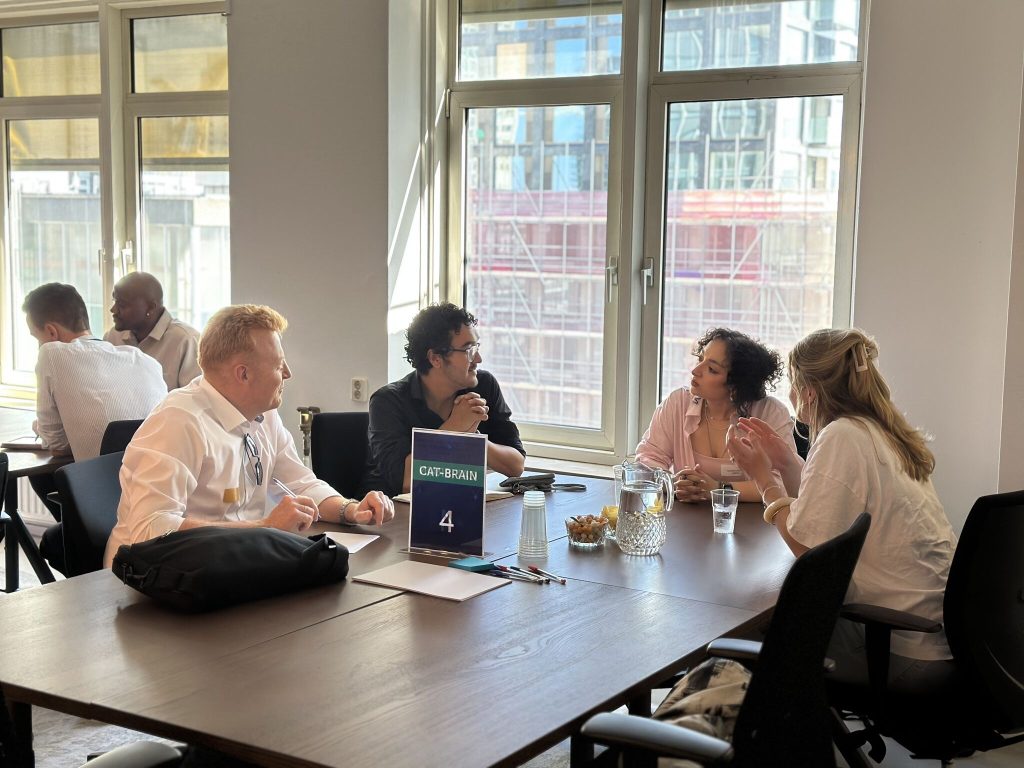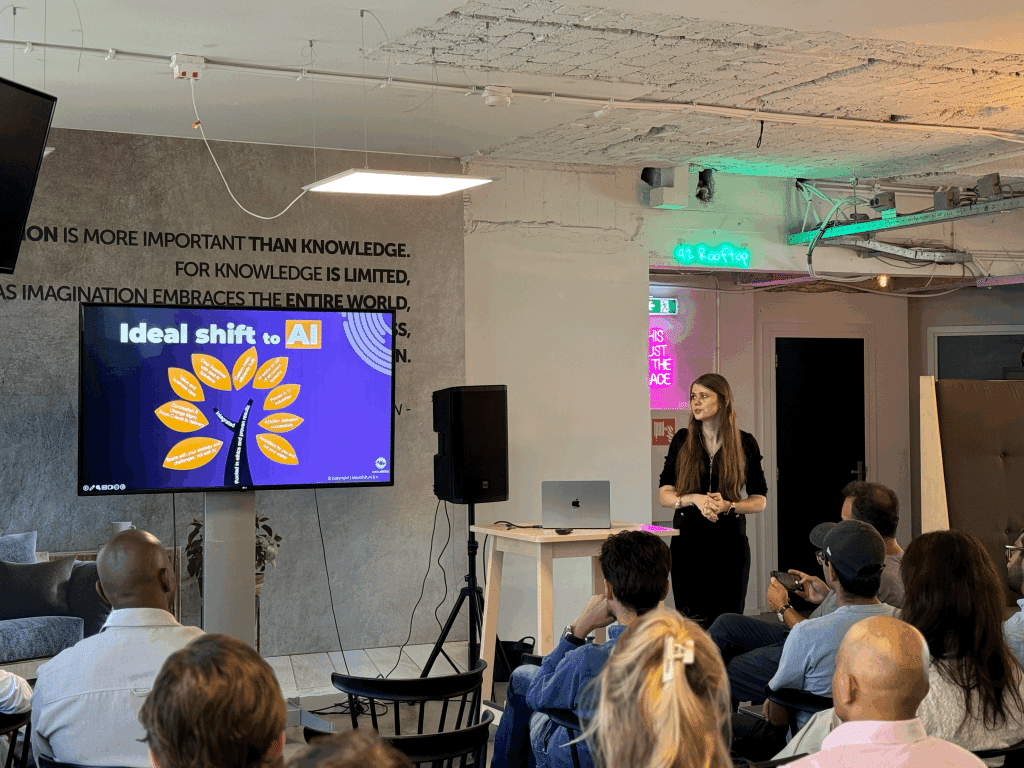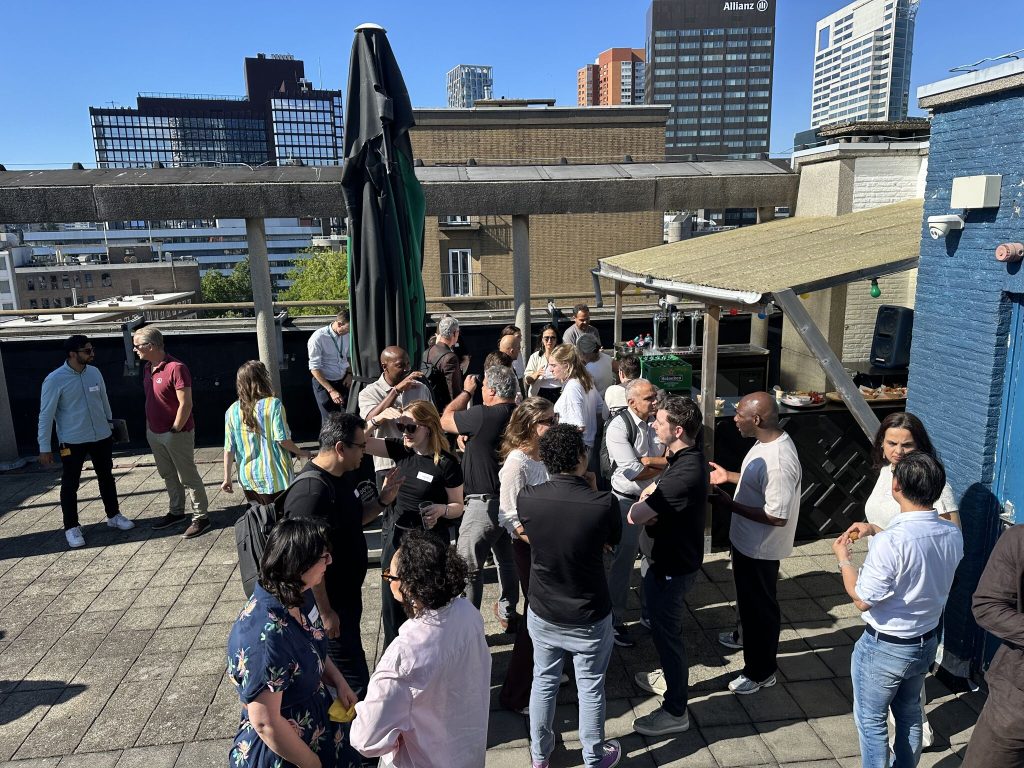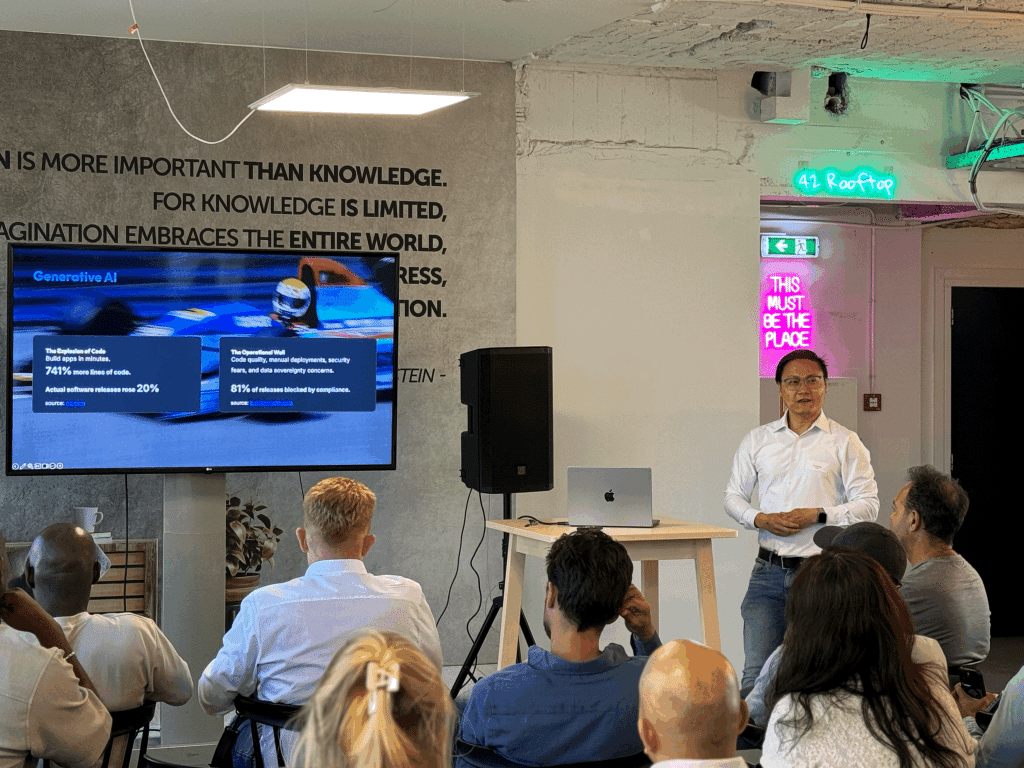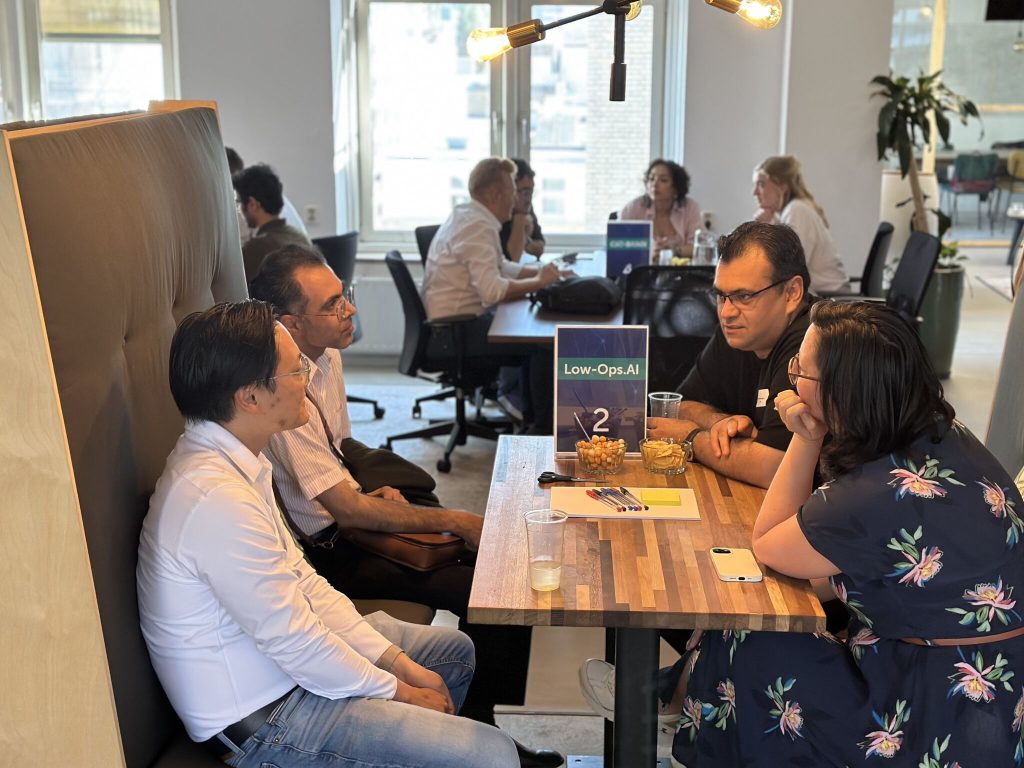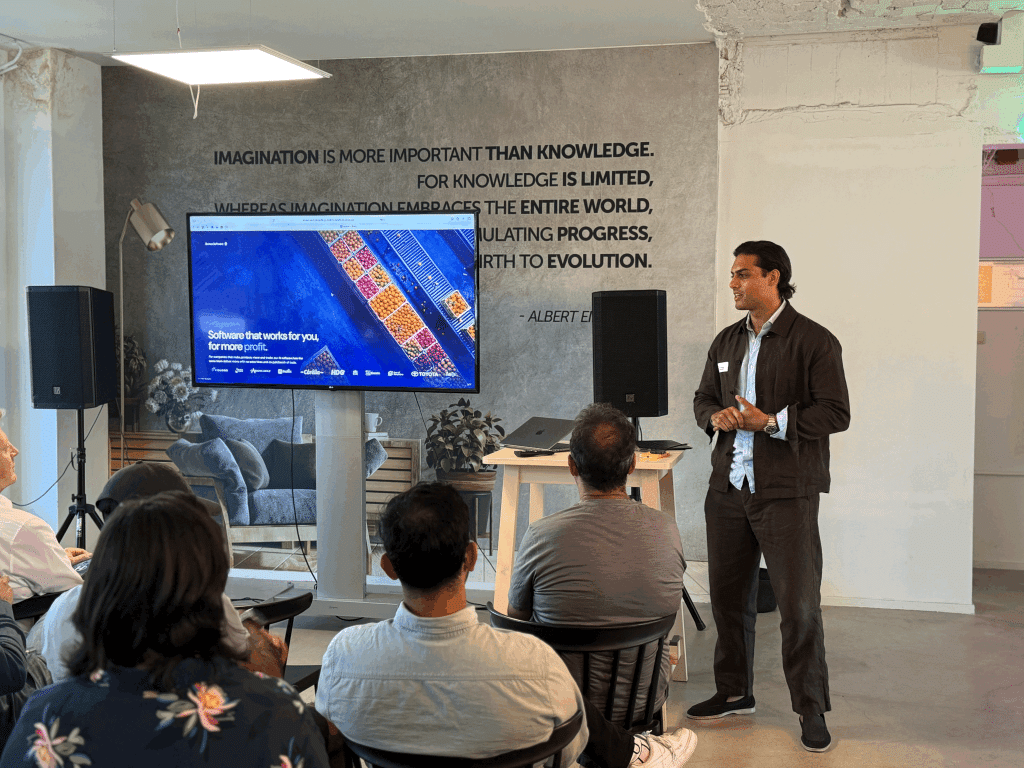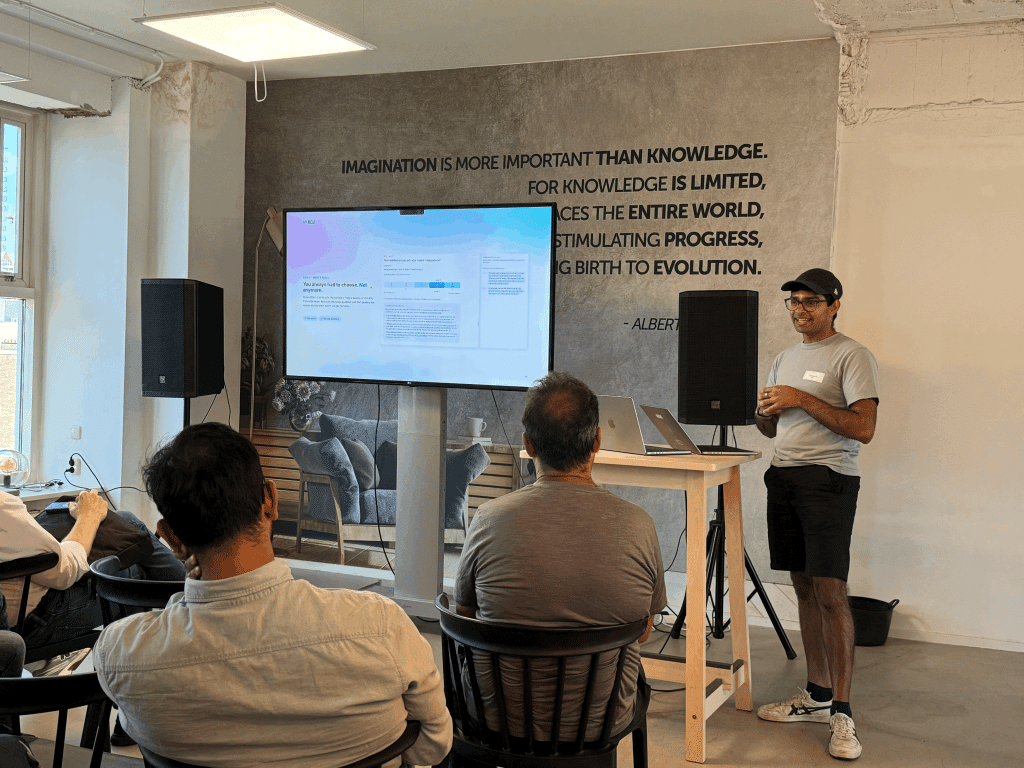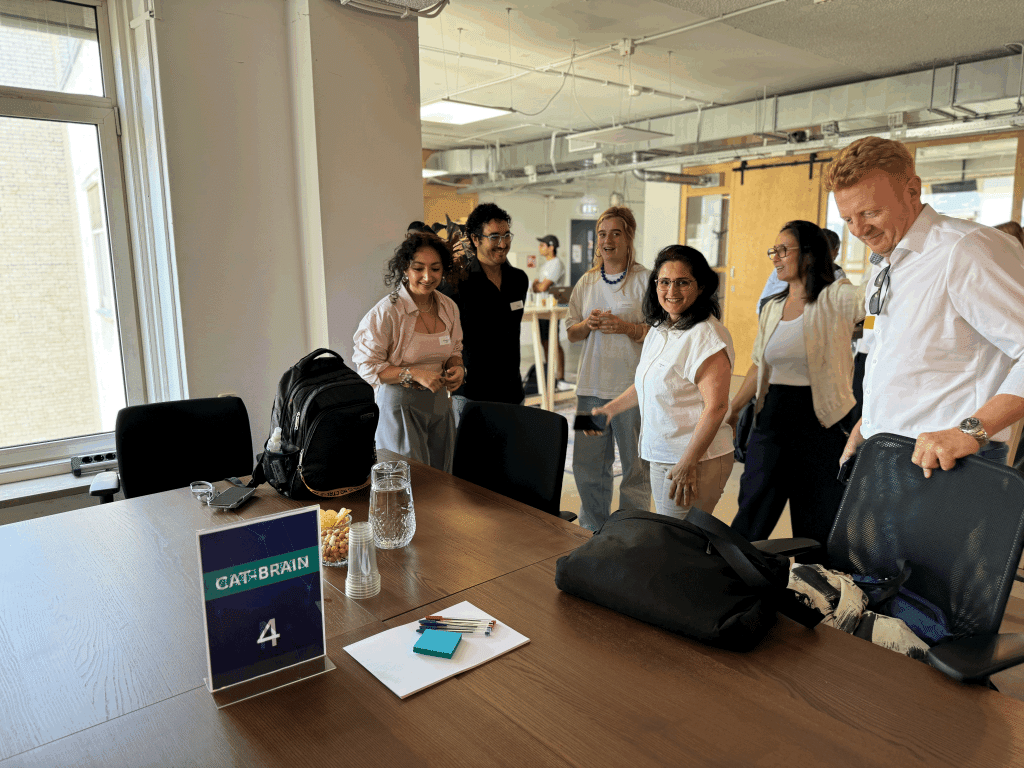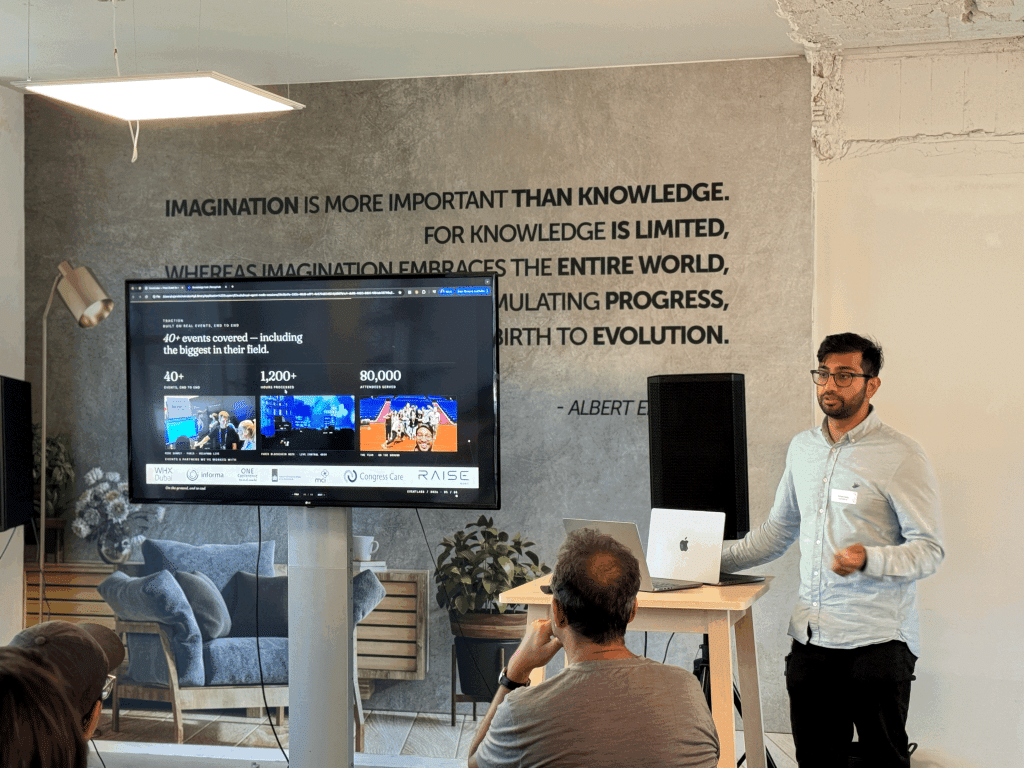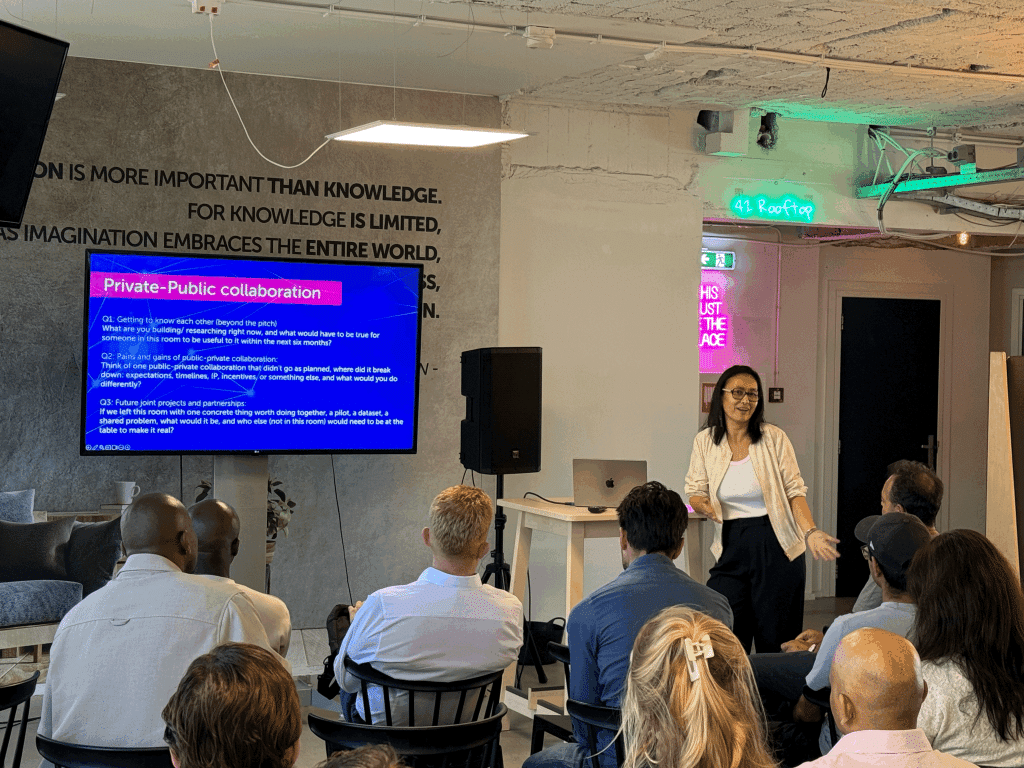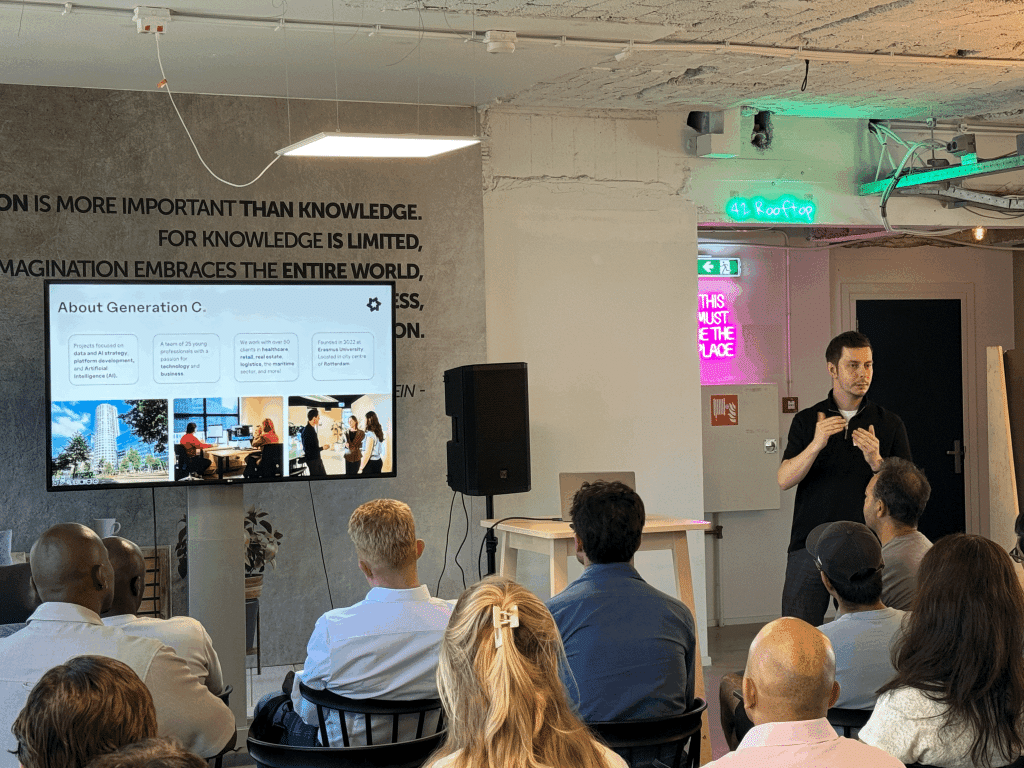

Yesterday we brought together researchers, startup founders, and innovators for our “Academia & Startups on AI” meetup.
How can researchers and AI startups create more impact together? This question was at the heart of the event, bringing both communities together to exchange perspectives, discuss opportunities for collaboration, and explore how academic expertise and entrepreneurial innovation can strengthen one another.
A special thanks to Ohad Gilad (42workspace) and Farshida Zafar for opening the event and setting the stage for an afternoon of inspiring discussions. We are also grateful to Marianne Breijer (sectorplan SSH breed) and Maurice de Rochemont for the collaboration.
A big thank you to all the startup founders who shared their inspiring journeys, and to the academics and participants who joined us and helped make the discussion open, forward-looking, and engaging.
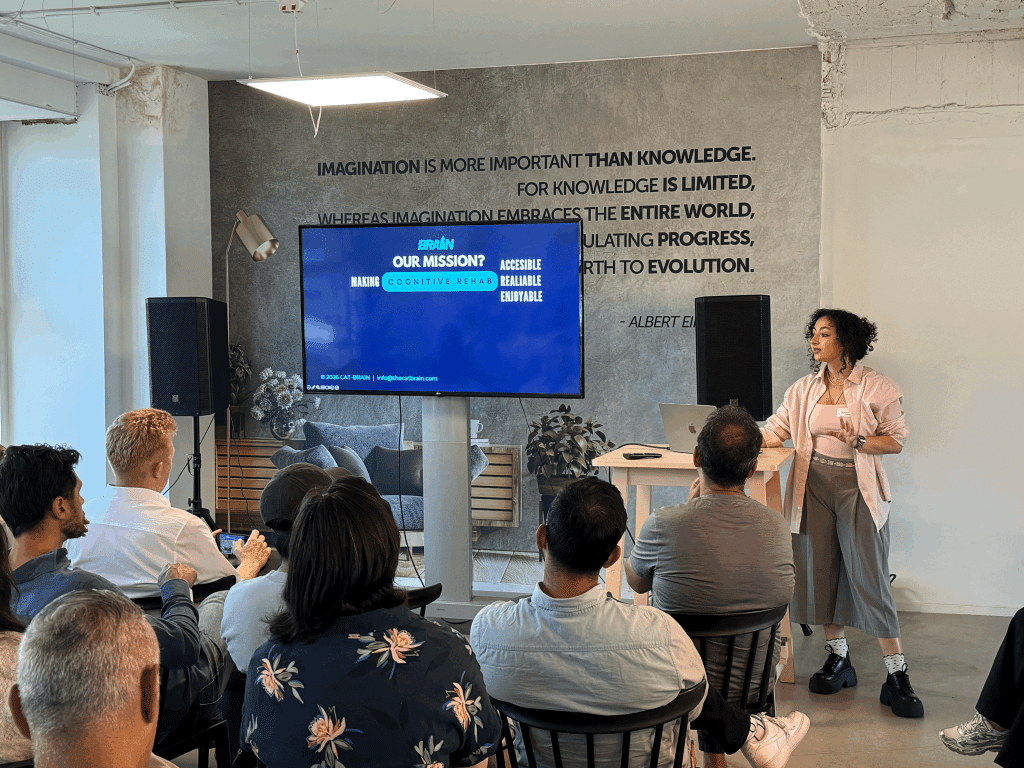
The AI startup founders that took the stage to pitch their solutions were:
- Emma Verhagen – Ideal Shift AI
- Steven Cheng – Low-Ops.AI by CINAQ
- Yeslin Beljaars – Bonsai Software
- Nicole Christodoulides – CAT-BRAIN
- Matthijs van Wijngaarden – Generation C
- Rajarshi (Raj) Chakraborty – EventLabs
- Nirmay Panchal– Koji AI-native Research Platform
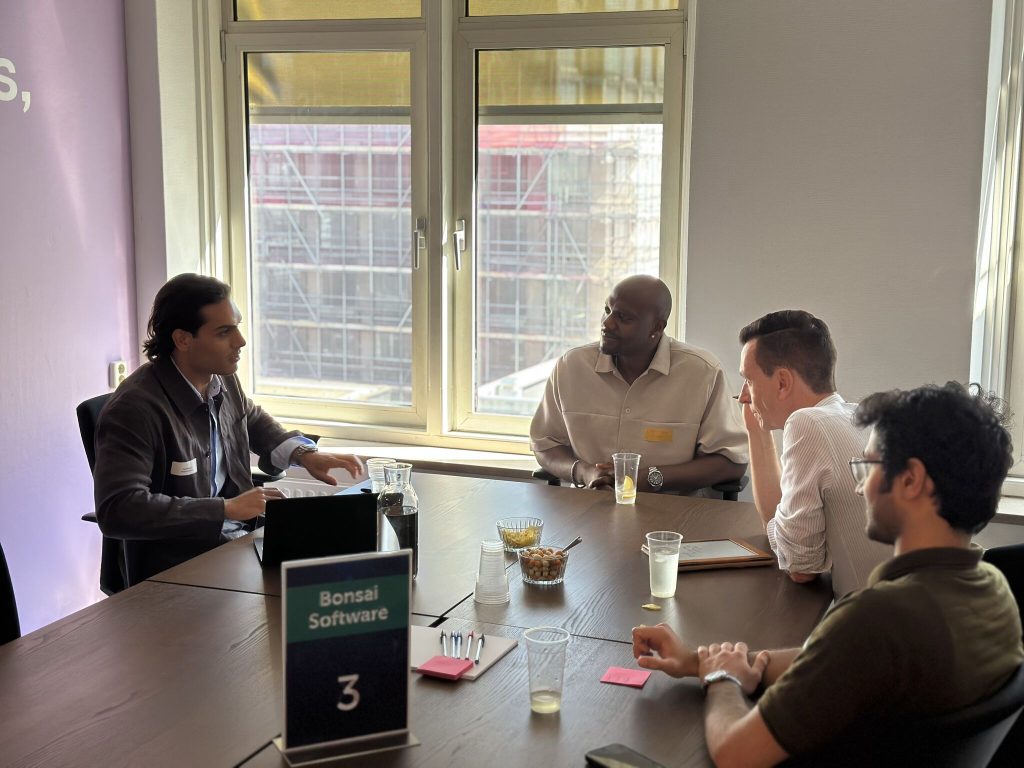
This was followed by an interactive roundtable discussion, where participants reflected on the pains and gains of academia–startup collaboration.
Key takeaways from the discussion:
- Collaboration works best when partners share a clear motivation, challenge, or pain point.
- It is important to make concepts and high-level frameworks more tangible and actionable.
- Universities bring together diverse talent and have a unique opportunity to connect students and researchers with alumni founders for meaningful collaboration.
- Mismatched timelines were frequently mentioned as a challenge. Successful collaboration requires mutual respect for differences in pace, decision-making, and ways of working.
- The value of collaboration lies amongst others in providing academic foundations for solutions, challenging assumptions, building credibility, reducing risk, and supporting joint funding applications.
- Examples of topics: as AI changes how software is built and used, there is an opportunity to collaborate on better ways to evaluate the quality of AI-driven solutions. AI adoption in governance-heavy industries could be explored in more practical and tangible ways.
The afternoon ended with conversations flowing, connections forming, and ideas for future collaboration taking shape in real time. We look forward to carrying this momentum forward and strengthening collaboration between academia and the AI startup community.