
How can universities and government collaborate on responsible, transparent AI that fosters inclusivity and sustainability?
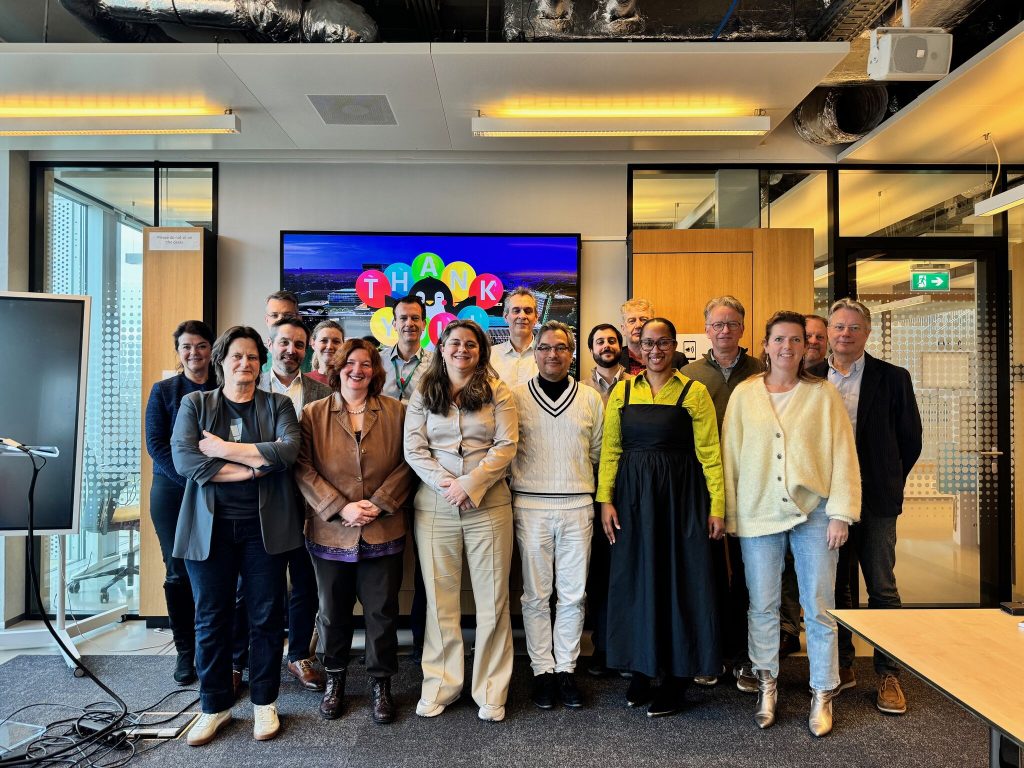
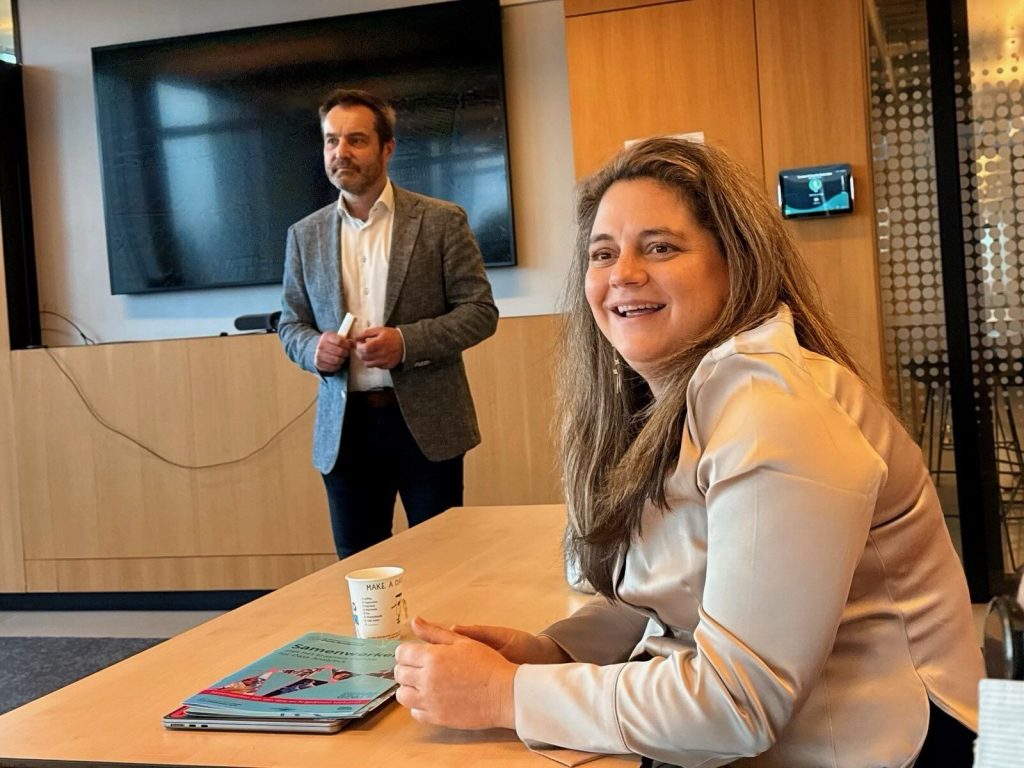
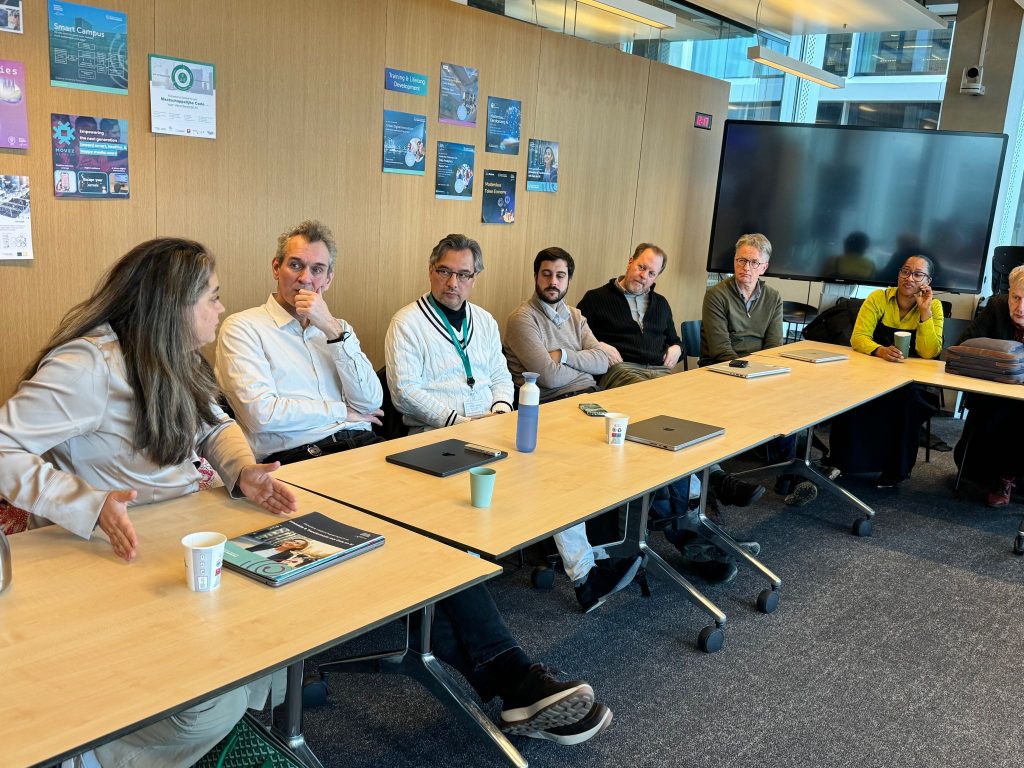
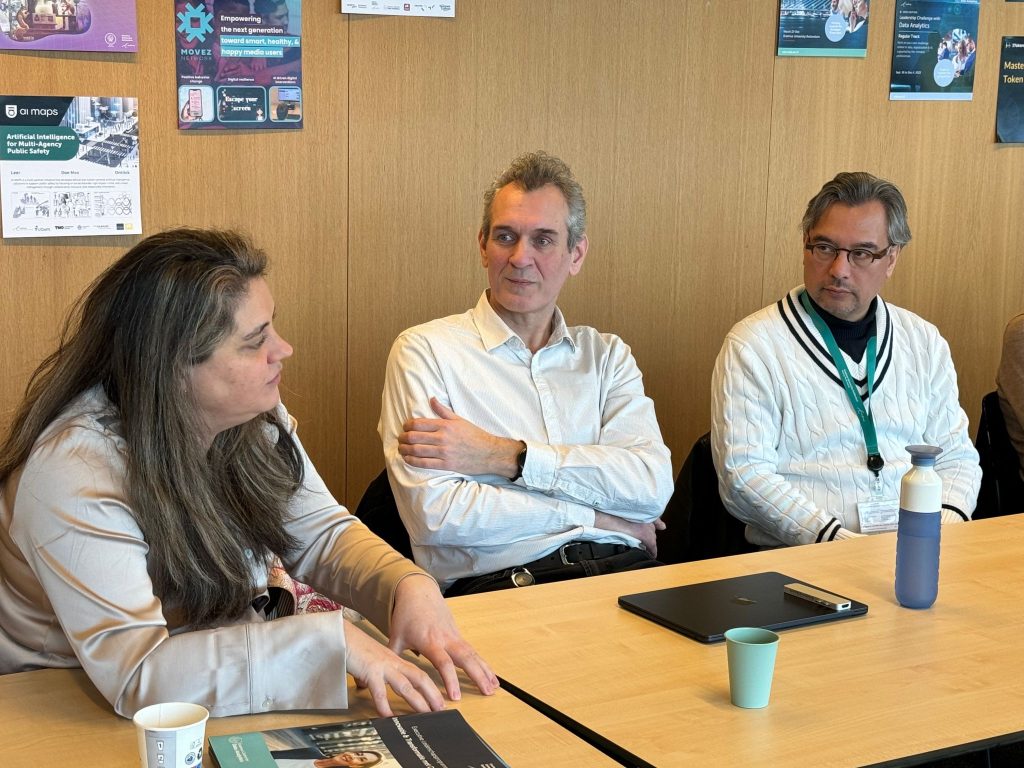
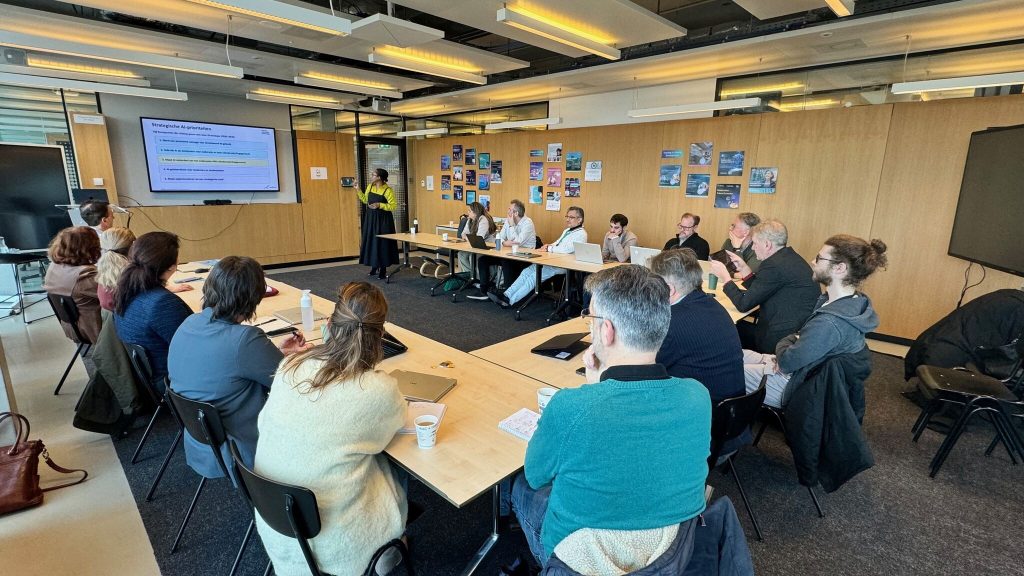
Last Friday, we had the pleasure of welcoming Barbara Kathmann, Member of Parliament for Digital Affairs, to our Erasmus Data Collaboratory | House of AI.
Ellen van Schoten, Vice-President of the Executive Board at Erasmus University Rotterdam, welcomed our guests and opened the dialogue on the role of responsible AI in education, research, and society.
💡 The session highlighted several collaborative AI initiatives at the university:
- AI@EUR – Vanessa Abel (Community for Learning & Innovation – Erasmus University Rotterdam) showcased the university’s commitment to ethics, fairness, transparency, and human values in AI — from the start, through development, to implementation.
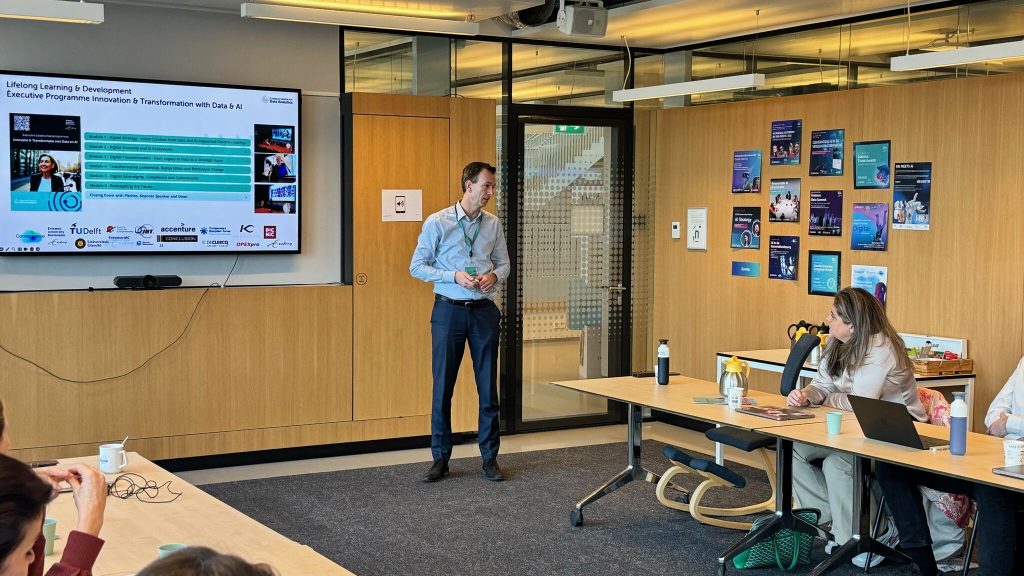
- Marcel van Oosterhout discussed the breadth of ECDA’s projects, from the Executive Leiderschapsprogramma | Innovatie & Transformatie met Data en AI that equips decision-makers to navigate the AI landscape, to the Sociaal AI Lab Rotterdam, a newly opened civic AI lab (in collaboration with Rotterdam University of Applied Sciences, Gemeente Rotterdam, Techniek College Rotterdam, and Erasmus University Rotterdam) aimed at accelerating Rotterdam’s digital inclusion and effective, sustainable AI development together with citizens, students, and researchers.
- Erasmus Data Collaboratory | House of AI, where students, researchers, faculty, and industry partners collaborate on data, analytics, machine learning, and AI — presented by Jos van Dongen (Convergence AI, Data & Digitalisation)
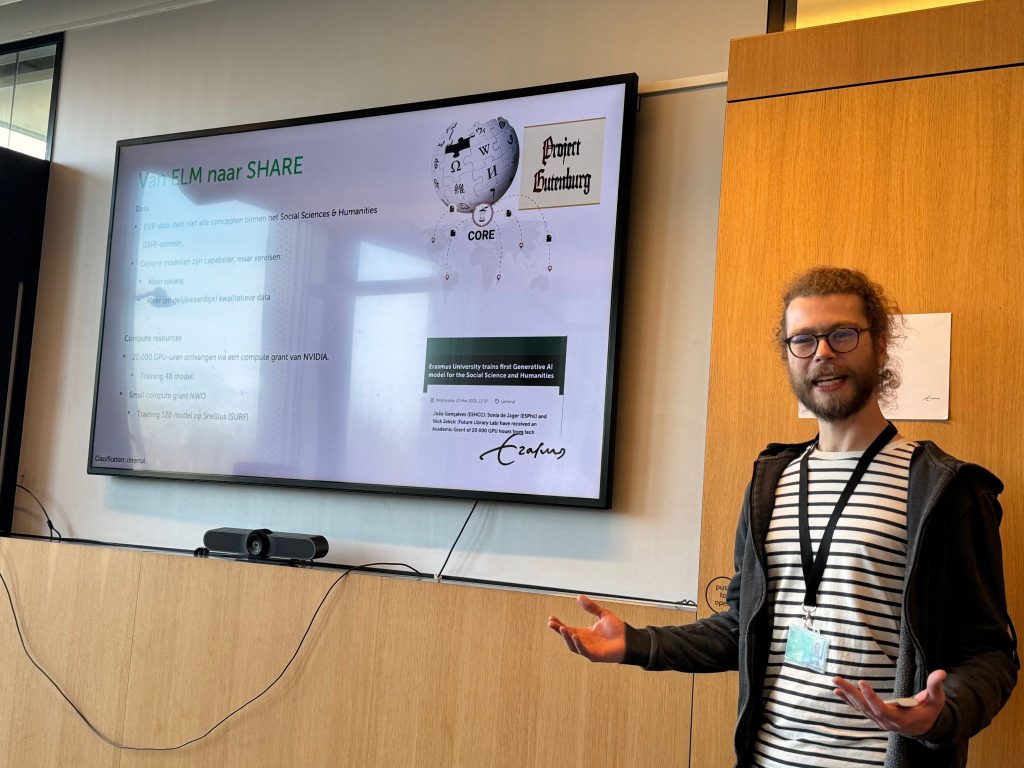
- Erasmian Language Model, an open-source alternative to ChatGPT that runs on the university’s own servers, enabling greater control and stronger privacy safeguards — presented by João Gonçalves and Nick Jelicic (Erasmus School of History, Culture and Communication (ESHCC)).
- EduGenAI, a platform for the safe and responsible application of generative AI in education — presented by Bas Smit (in collaboration with Npuls).
Thank you, Barbara, for the inspiring and valuable discussion, sharp questions, and your dedication to the impact of digitalisation. It confirmed that bridging the gap between The Hague’s policy goals and Rotterdam’s academic and practical applications is essential for a fair digital future.
Let’s continue this conversation.🤝